

10 Things We Wish We Knew Before Moving to the USA: 2.5 Years Later
Moving abroad changes far more than your address. Looking back after two and a half years in Texas, these are the lessons we wish someone had shared with us before we packed our eight suitcases and boarded the plane.
We thought we knew what to expect
Two and a half years ago, our lives took an unexpected turn. My husband was offered a promotion in Houston, Texas, and at exactly the same time I found myself between jobs. Looking back, it was probably the perfect moment to take a leap of faith.
Unlike many people who move abroad, we weren’t starting completely from scratch. The year before, we had already spent two months in Houston during one of my husband’s temporary assignments. We knew the city a little, had discovered a few favourite places and felt comfortable enough to imagine building a life there.
When we arrived, my husband had already flown ahead a few days earlier. Our apartment had been furnished by a relocation company, and I couldn’t wait to see what would become our new home. Everything looked exactly as promised, and stepping outside into the warm Texas spring made it almost impossible to believe that family and friends back in the Netherlands were still wearing winter coats.
For the first couple of weeks, it honestly felt like an extended holiday. We settled into familiar routines, explored the city and enjoyed the excitement of starting a new chapter. It wasn’t until a few weeks later that reality quietly set in.
This wasn’t a temporary assignment anymore.
This wasn’t a long vacation.
This was our new life.
Now, two and a half years later, I can honestly say I wouldn’t change this adventure for anything. But if I could sit down with the version of myself who was about to board that plane, there are quite a few things I’d tell her first.
1. A House Doesn’t Automatically Feel Like Home
One of the biggest surprises had nothing to do with visas, paperwork or culture shock. It was how long it took before our apartment actually felt like home.
The relocation company had done a wonderful job furnishing it, and objectively there was nothing wrong with the furniture. Yet after about two weeks I realised something didn’t feel right. The apartment looked nice, but it didn’t reflect us. It still felt as though we were staying in someone else’s space.
Luckily, we still had the opportunity to change most of the furniture within our rental package. We kept a few essentials, invested in a better mattress and a larger television, and slowly started choosing pieces that suited our own style. Looking back, that decision made a much bigger difference than I expected.
Creating a home isn’t really about furniture. It’s about surrounding yourself with familiar things while everything else around you is new. Once our apartment started reflecting who we were as a family, it stopped feeling temporary and slowly became the place where we belonged.
What we learned: Don’t underestimate how important it is to make your new house feel like your own. The sooner you create a space that reflects your family, the sooner it starts feeling like home.

2. The American Healthcare System Takes Time to Understand
Before moving, I knew healthcare in the United States would be different. What I didn’t realise was how much uncertainty came with it.
In the Netherlands, you generally know where you stand. You visit your doctor, receive the care you need and, depending on your insurance, pay a deductible. The system is familiar and predictable.
In the United States, I quickly realised there are many more moving parts. Deductibles, co-pays, out-of-pocket maximums and provider networks all influence what you eventually pay. Even after choosing a health insurance plan, there were moments when I found myself wondering whether a visit would be covered or what the final bill would look like.
It’s not necessarily a better or worse system—it’s simply a very different one. That difference can feel overwhelming at first, especially when you’re still trying to settle into a new country.
What we learned: Spend time understanding your health insurance before you actually need it. It may not be the most exciting part of moving abroad, but it can save you a great deal of stress later on.
3. Your Credit Score Matters More Than You Think
If there’s one topic every expat in America eventually talks about, it’s credit scores.
Before moving here, I had never really thought about mine. In the Netherlands, your daily life isn’t influenced by your credit history in quite the same way. In the United States, however, your credit score plays a surprisingly important role from the moment you arrive.
It affects everything from leasing a car and setting up a mobile phone plan to your car insurance premiums and sometimes even utility contracts. Without a credit history, you’re effectively starting from zero.
One thing we underestimated was how important it would be for both of us to build our own credit history. Because my husband started working straight away, most accounts and payments naturally went through him. It made sense at the time, but it also meant his credit score developed much faster than mine. Looking back, I wish I had started building my own financial history much earlier, simply because it gives you more independence in the long run.
What we learned: As soon as you’re able to, start building your own credit history. It’s one of those invisible foundations that makes everyday life in the United States much easier.
4. Starting Over Means Starting From Zero
One of the first things you want to arrange after moving abroad is opening a bank account. It sounds like a simple task, but for us it turned out to be more complicated than expected.
Like many newcomers, we were still waiting for our Social Security Numbers. Without them, several banks simply couldn’t help us. It was one of those moments where you realise that many systems depend on each other. You need a bank account to arrange daily life, but opening one often requires documents that you only receive after you’ve already arrived.
Fortunately, we eventually found a solution with Bank of America, where they were willing to help us before everything was fully in place. It was a huge relief, but it also taught us that moving abroad requires a lot of patience. Things rarely happen in the order you expect.
Looking back, I also wish we had thought more carefully about how we organised our finances. Because my husband started working immediately, most accounts and payments were set up in his name. It was the easiest solution at the time, but it also meant that my own credit history developed much more slowly. It’s not something you think about during a move, yet it can affect your financial independence later on.
What we learned: Research which banks are experienced in helping international newcomers and, if you’re moving as a couple, think about how both partners can start building their own financial history from the beginning.
5. Children Often Adapt Faster Than Their Parents
Without a doubt, our biggest concern before moving wasn’t ourselves—it was our son.
How would he adjust to a new school? Would he understand the language? Would he make friends? As parents, it’s easy to carry those worries before your child even walks through the classroom door.
What surprised us most was how quickly he embraced his new environment.
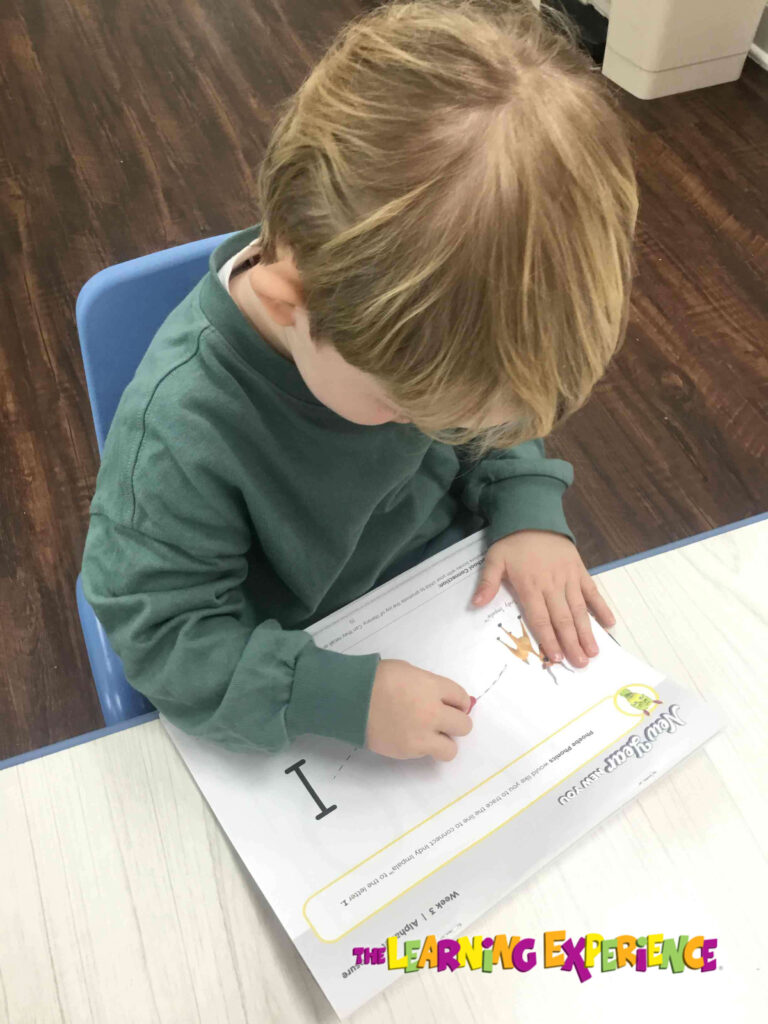
Of course, there were differences. American childcare and preschools worked differently from what we knew in the Netherlands. Children are encouraged to be independent from a very young age. They eat together at small tables, often sleep on mats instead of beds, and the daily routines are simply different.
Food was another adjustment. I knew American supermarkets would look different, but I hadn’t realised how much more effort it sometimes takes to make healthy choices. It’s certainly possible, but it does require being a little more intentional than we were used to.
While I was still comparing everything to life back home, our son was simply creating new memories.
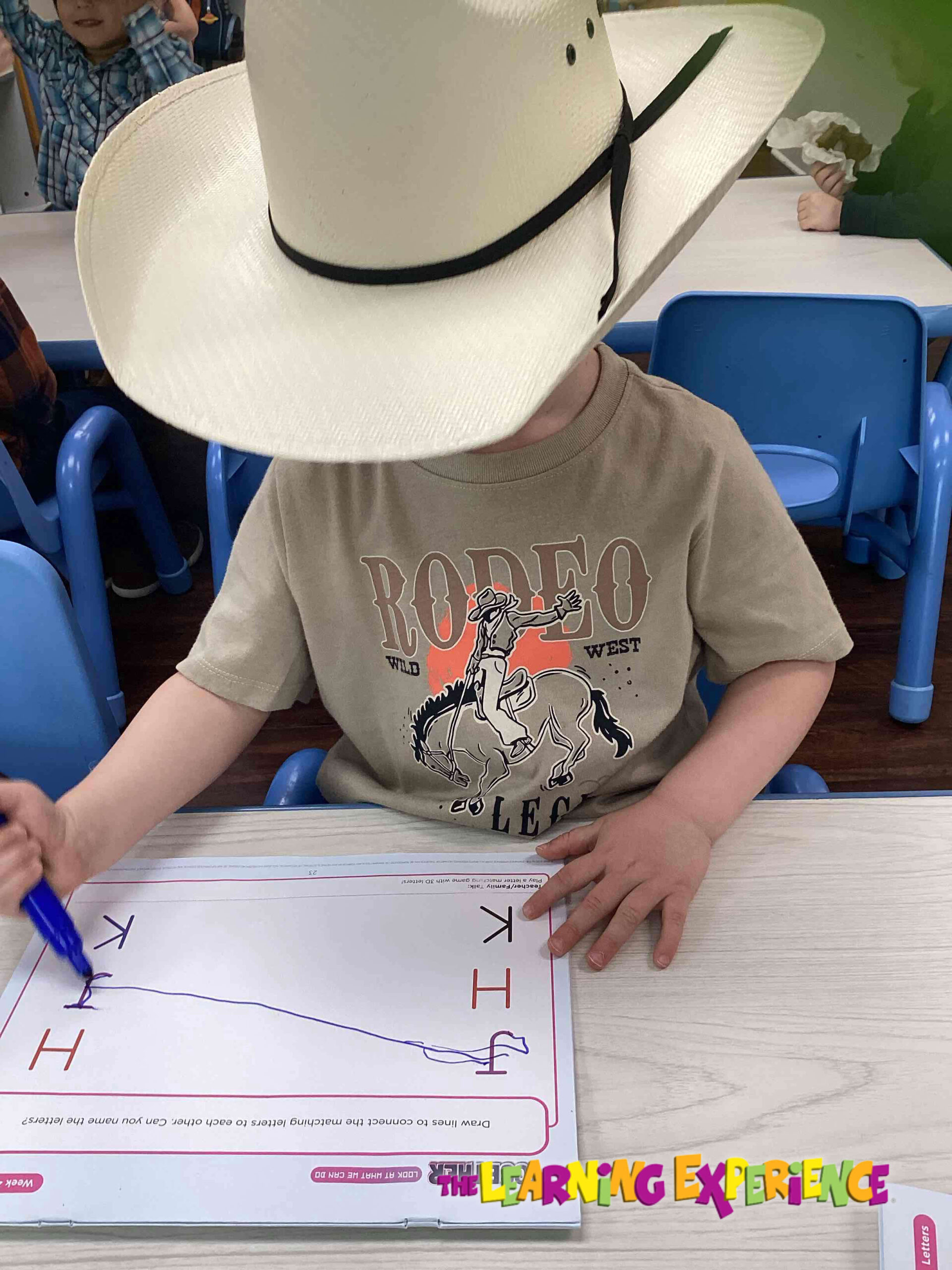
One of those memories still makes me smile. One morning he happily walked into school wearing cowboy boots and a cowboy hat. It wasn’t for a special event or a themed dress-up day. It was just another school day in Texas.
That was one of the first moments I realised something had quietly changed.
For him, this wasn’t our temporary adventure anymore.
This was simply home.
What we learned: Children don’t need everything to stay the same. They need security, love and the confidence that home is wherever their family is. More often than not, they’ll show you just how adaptable they really are.
6. Life Looks Different When Everything Happens by Car
Coming from the Netherlands, I knew that Americans drove more than we did. I just didn’t realise how much that would change our daily routines.
Back home, cycling is second nature. Going to the supermarket, dropping your child off at school or meeting a friend for coffee rarely requires much planning. In Houston, almost everything revolves around the car.
The supermarket might only be a few kilometres away, but that doesn’t necessarily mean it’s walkable. The same goes for schools, playgrounds or daycare. Distances that seem perfectly manageable on a map often turn out to be surprisingly inconvenient without a car.
At first, I missed the freedom of cycling everywhere. Now I appreciate both lifestyles. Living in Texas has shown me how comfortable life by car can be, while every visit back to the Netherlands reminds me how much I still enjoy jumping on a bike whenever I can.
Neither is better—they’re simply different.
That’s something I’ve come to appreciate about living abroad. It teaches you that there isn’t always one right way of doing things.
What we learned: When choosing where to live, don’t only look at distances on a map. Think about how you’ll actually travel every day. It makes a bigger difference than you might expect.
7. Building a Community Takes Time
One of the hardest parts of moving abroad isn’t packing your belongings or arranging the paperwork.
It’s leaving your people behind.
Family dinners become video calls. Birthdays happen without you. Friendships that once felt effortless suddenly require planning across different time zones.
When you arrive in a new country, you’re not only looking for a place to live—you also have to build a new community.
That doesn’t happen overnight.
One thing I quickly noticed is that expats are often incredibly open to meeting new people. Almost everyone has experienced what it’s like to arrive somewhere without knowing anyone, which makes it easier to start conversations or accept invitations.
At the same time, expat life comes with its own challenges. People move. Assignments end. Families return home or continue to another country. Just when you’ve built a close friendship, there’s always the possibility that someone leaves again.
Sometimes that makes it tempting to protect yourself by not investing too much.
But over the past two and a half years, I’ve realised that every friendship is worth it, even if it’s only for a season.
Some of my favourite moments in Texas aren’t the big trips or famous landmarks. They’re the small everyday interactions. Holding the door open for someone. Chatting with an elderly man during a local parade. Neighbours stopping for a quick conversation. People genuinely wishing each other a nice day.
Those moments reminded me that building a community doesn’t always start with lifelong friendships. Sometimes it starts with simply feeling seen in your new surroundings.
What we learned: Don’t wait for life to come to you. Say yes to the coffee invitation, introduce yourself to other parents at school and be willing to take the first step. Building a community takes time, but every conversation is the beginning of something.

8. Building Friendships Takes More Time Than You Think
Before moving, I knew I would have to make new friends. What I underestimated was how different that feels as an adult.
Back home, friendships often grow naturally over the years. At work, through school, sports clubs or simply because you’ve lived in the same place for a long time. When you move abroad, all of that disappears overnight. You’re suddenly starting from zero.
The good news is that many expats are incredibly open to meeting new people because they’ve been in the exact same position. The challenge is that expat life is constantly changing. Just when you’ve built a close friendship, someone’s assignment ends, they move to another country or return home.
That can make it tempting not to invest too much, but looking back, I’m so glad we did.
Some friendships may only last a few years, but that doesn’t make them any less valuable. They’ve become an important part of our life in Texas and have made this experience richer than we could have imagined.
What we learned: Say yes to the coffee date, introduce yourself to other parents at school and don’t be afraid to make the first move. Building a community takes time, but every friendship starts with one conversation.
9. One Day, It Stops Feeling Like an Adventure
One of the biggest surprises wasn’t something practical at all.
It was the moment life simply became… normal.
In the beginning, everything feels exciting. Every supermarket is new, every weekend trip feels like an adventure and every cultural difference is something to tell family back home about.
Then, without really noticing, everyday life takes over.
You have your favourite grocery store, your regular coffee order and the same weekly routines you had before moving. The places that once felt unfamiliar slowly become part of your everyday life.
That’s also when another realisation sets in.
Leaving again suddenly feels much harder.
When we first arrived, it felt like we were temporarily living abroad. Now, more than two and a half years later, this is simply our life. Our son has grown up here, we’ve built friendships and created routines, and we’ve made countless memories as a family.
It’s a reminder that moving abroad isn’t just about adapting to a new place. It’s about allowing that place to become part of who you are.
What we learned: Give yourself time. One day you’ll realise you’re no longer adjusting to your new life—you’re simply living it.
10. Home Can Exist in More Than One Place
Before moving abroad, I always thought home was a place.
Now I know it’s much more than that.
The Netherlands will always be home. It’s where we grew up, where our family still lives and where so many of our memories were made.
But over the past two and a half years, Texas has quietly become home too.
It’s where our son learned to speak English with confidence. It’s where we built a new circle of friends, celebrated birthdays, discovered beautiful places and created a life that once felt impossible to imagine.
One of my favourite memories is seeing our son walk into school wearing cowboy boots and a cowboy hat as if it were the most normal thing in the world. It made me smile because it captured exactly what moving abroad had become for us.
Not a temporary adventure.
Just life.
Looking back, that’s probably the biggest lesson of all.
Moving abroad doesn’t replace your old home. It simply creates space for another one.
What we learned: It’s okay to miss your home country while loving your new one. The two can exist side by side, and that’s one of the most beautiful parts of living abroad.
Final Thoughts
If you’re preparing to move to the USA, you probably have a long checklist already. Visas, paperwork, healthcare, schools and shipping containers are all important, but some of the biggest lessons only reveal themselves once you’re actually living abroad.
Two and a half years ago, we arrived in Houston with eight suitcases, a shipping container somewhere on its way and no idea what the next chapter would bring.
Today, we still don’t have all the answers.
But we do know this: moving abroad has challenged us, surprised us and changed us in ways we never expected. It has also given us opportunities, friendships and experiences that we’ll carry with us for the rest of our lives.
If you’re about to start your own international adventure, I hope these lessons help you feel just a little more prepared.
And if you’re already living abroad, I’d love to know:
What do you wish someone had told you before you moved?





One Comment