10 Culture Shocks I Experienced as a Dutch Person Living in America
Moving from the Netherlands to the United States has been one of the most exciting and sometimes confusing experiences of my life.
After living in America for two years, many things that once felt strange have now become normal. But it definitely took time to adjust to certain cultural differences.
Some things I’ve learned to embrace and truly appreciate. Others still make me pause and think, “This would never happen in the Netherlands.”
Living abroad doesn’t just change where you live — it changes how you see everyday life. These are 10 culture shocks I experienced as a Dutch person living in America.
1. Small Talk with Strangers Is Completely Normal
One of the first cultural differences I noticed in the United States is how common small talk with strangers is.
In the Netherlands, we tend to be a bit more reserved. If someone randomly starts talking to you in a store, many Dutch people immediately wonder: What do they want?
In America, it’s just normal. Someone might compliment your outfit, chat with you while waiting in line, or ask how your day is going. At first I didn’t quite know how to respond. I remember thinking: Why is this person talking to me? What should I say back? But over time I started to appreciate it.
How nice is it to receive a compliment from someone you don’t know? Or to briefly connect with someone outside your own bubble? I honestly think it makes everyday life a little lighter and maybe even reduces loneliness.
2. Everyday Courtesy and Friendliness
Another thing that stood out to me is the level of everyday politeness in American culture. People hold the door open for each other, stop for pedestrians at crosswalks, and offer help when they see someone struggling with groceries or kids. It’s a small thing, but it happens constantly.
This culture of friendliness ties closely to the small talk culture. People are simply more open to interacting with each other in everyday situations. It’s something I’ve really grown to appreciate.
3. The American Tipping Culture
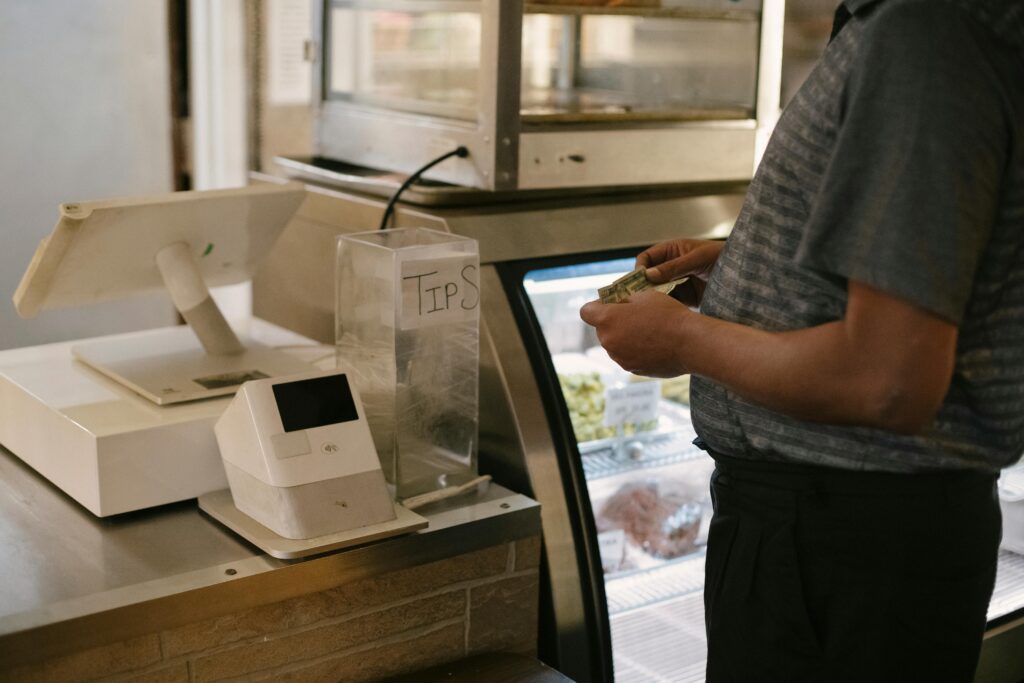
One of the biggest adjustments when living in the U.S. is the tipping culture. In America, tipping around 20% is standard for almost any service. Restaurants, nail salons, hairdressers, delivery drivers, tipping is expected almost everywhere.
One thing I do appreciate about this system is the service quality. In general, service in the United States is excellent. You truly feel like a customer experience matters. In the Netherlands, you sometimes have to make an effort just to order something, and even water often costs money. Here, refills appear automatically and staff check on you regularly. But tipping can still feel awkward sometimes.
For example, leaving a 20% tip at the hairdresser still feels strange to me. And tipping when you’re simply picking up take-out? I’m still figuring that one out. In my ideal world, we would have consistently great service without needing tips.
4. Sustainability and Recycling Differences
As a Dutch person, I was also surprised by the differences in recycling and sustainability in the United States.
One funny contradiction: the cheapest thing in America is gasoline, while something like organic milk can cost three times more than in the Netherlands. And even then, you need to pay attention to labels and certifications to make sure the product is truly organic.
Another difference I noticed is how difficult it can be to sell things second-hand. When I tried to sell some baby products, it turned out to be quite a hassle. In the Netherlands, platforms like Vinted and Marktplaats are extremely popular and easy to use. Here, Facebook Marketplace exists, but it doesn’t always feel as efficient.
In general, American culture seems a bit more focused on convenience and buying new products, something that is also fueled by the ease of Amazon.
5. Your Credit Score Controls Everything

One of the biggest culture shocks for many expats is the importance of a credit score in the United States. In America, your credit score influences almost everything. Opening a bank account, applying for a credit card, financing a car, renting a house, even getting certain insurance rates. It all depends on your credit history.
The challenge? When you first arrive in the U.S., you don’t have one. Building credit takes time, and the system can be quite complex. Even now, I still feel like I’m learning how it works.
For example, car insurance can be extremely expensive in the beginning. Once your credit score improves, your premium may go down but you have to actively check and adjust it yourself.
6. Getting a Driver’s License in the U.S.
If you plan to stay longer in the United States, you’ll eventually need a local driver’s license. The rules vary by state, but generally you can drive temporarily with your foreign license.
Before taking the driving test, you usually have to complete a six-hour online course. Most of it focuses on the dangers of drinking and driving, distracted driving (especially phone use), and general safety. What surprised me is that there wasn’t much focus on traffic rules or road situations, even though some rules are very different from Europe. For example, turning right at a red light is allowed in many places.
The driving test itself was also very different from what I was used to in the Netherlands. You take the test in your own car. The instructor meets you at a drive-through style testing area, gets into your car, and you drive around the neighborhood for a few minutes. You park once, drive around the block, and that’s basically it. I even got feedback that I parked too close to the curb,apparently tight parking isn’t necessary here since there are no narrow streets or canals like in Dutch cities.
Once I passed, I drove home with a printed temporary license.
7. The Complexity of the American Healthcare System
The U.S. healthcare system is one of the most complicated systems I’ve experienced. There are deductibles, co-pays, out-of-pocket maximums, and in-network versus out-of-network providers. Before almost any appointment, you often need to check whether the doctor is covered and ask for an estimate of the cost.
Health insurance is also often tied to your employer. So if you lose your job, your insurance situation can suddenly change. Luckily, one positive thing is that you can usually add your entire family to the same insurance plan.
8. Drive-Thrus for Everything
he amount of drive-thrus in America still surprises me. Not just fast food, almost everything. Pharmacies, Starbucks, banks, ATMs… I’ve even seen drive-thru margarita places.
Some of them actually make sense. Using a drive-thru ATM can feel safer, and picking up medication without getting out of the car is incredibly convenient when you have kids.
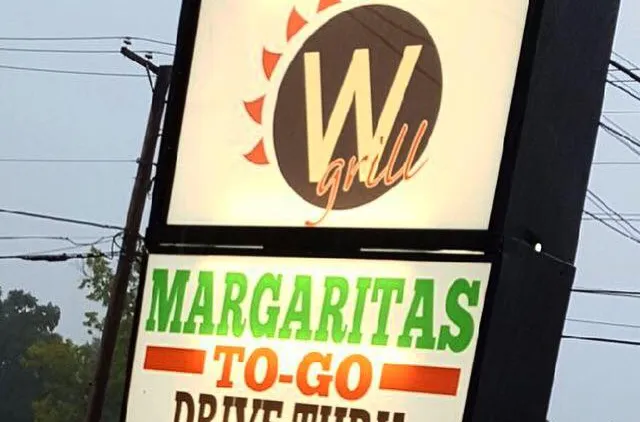
But a drive-thru margarita? That one still makes me smile.
9. American Patriotism
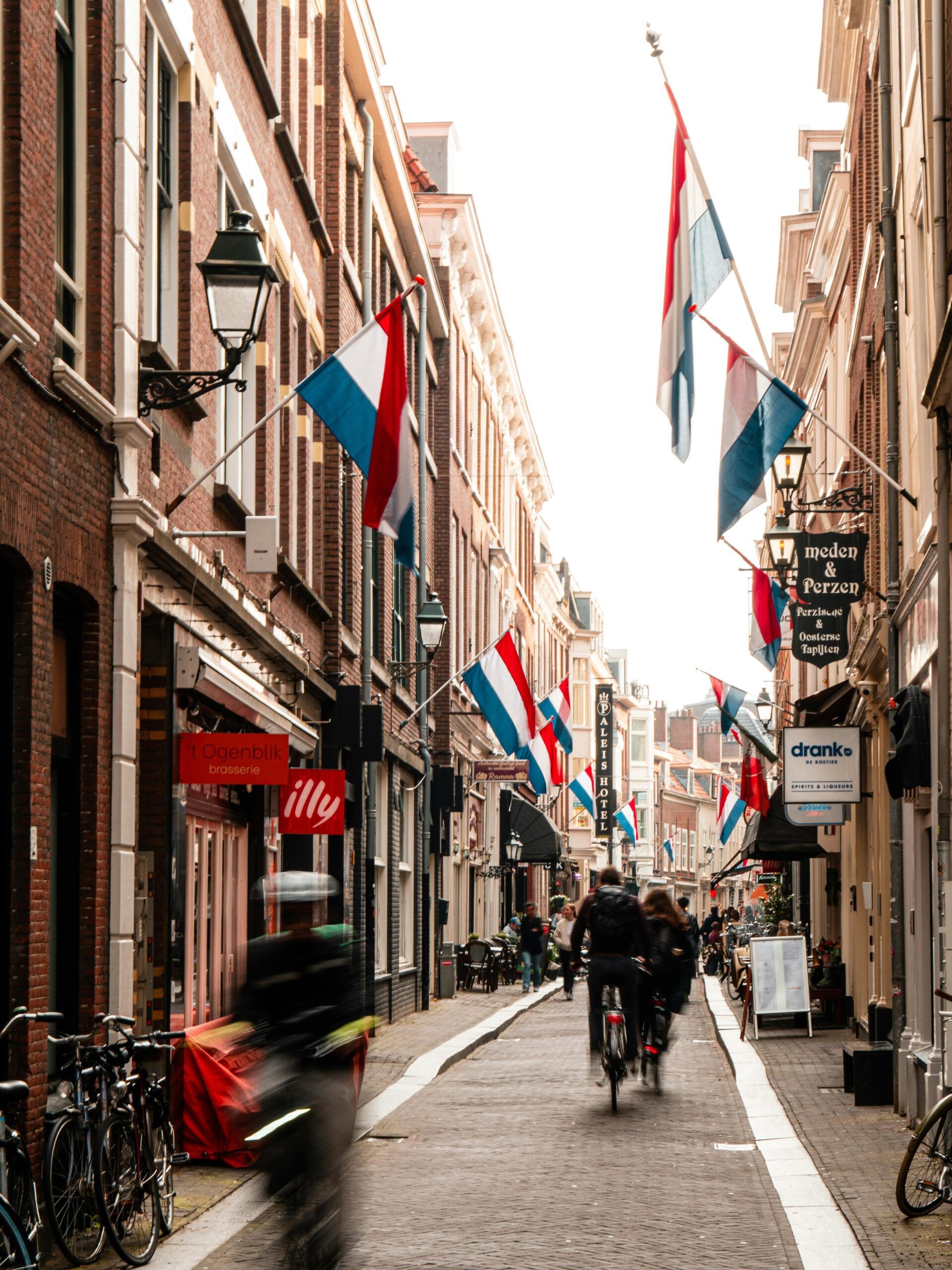
Dutch people can be very proud too. We love wearing orange during major sports events and cheering for athletes like Max Verstappen or our Olympic champions.
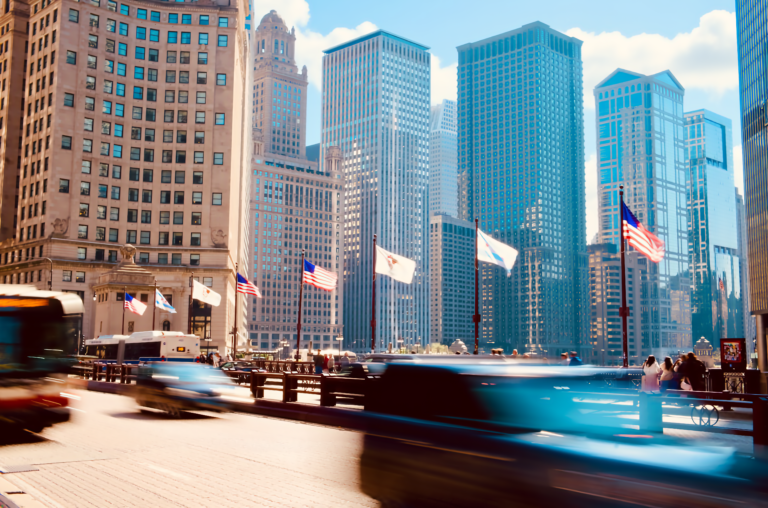
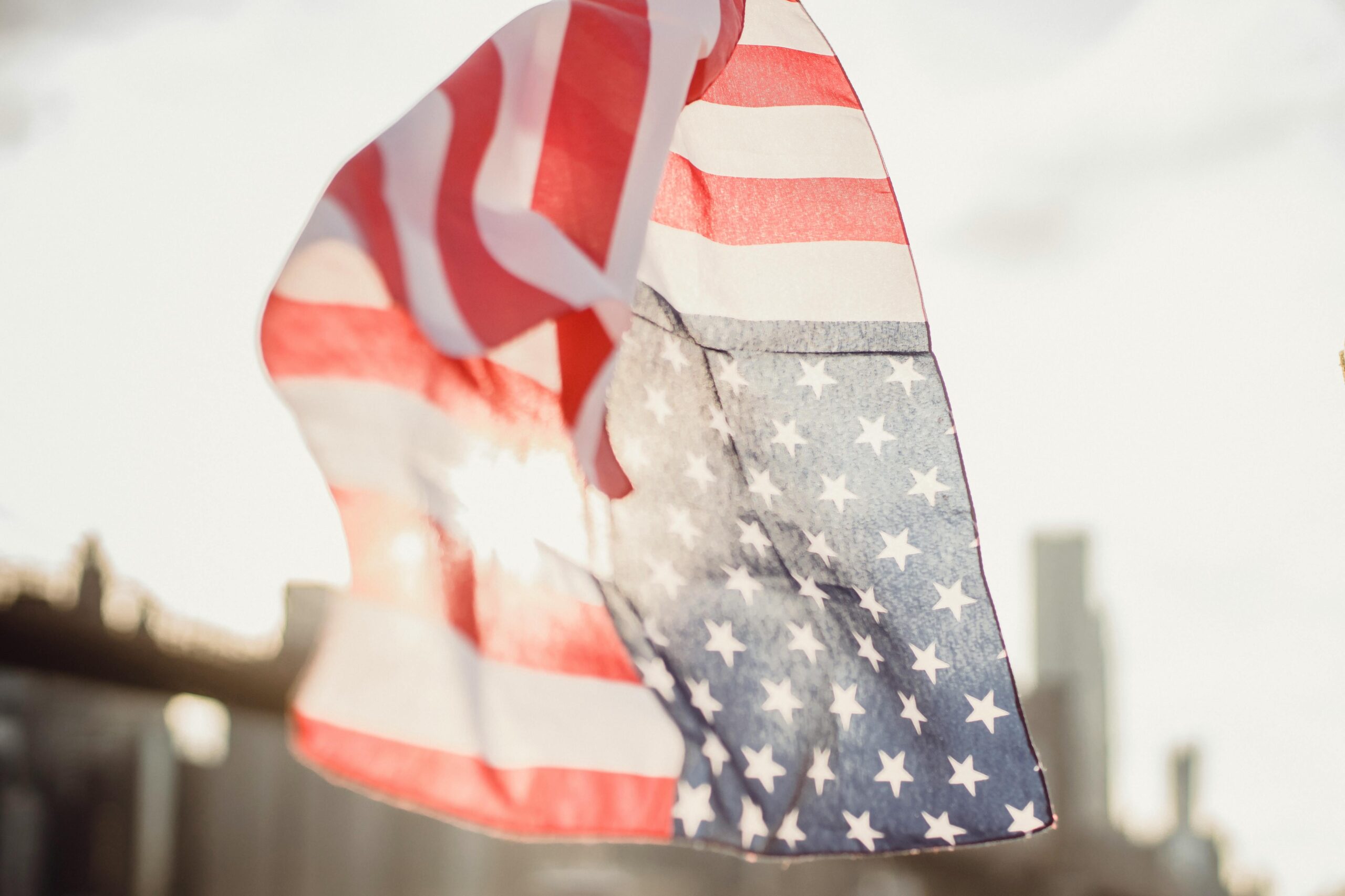
But American patriotism is on another level. It goes beyond pride, it’s a deep emotional connection. People sing the national anthem with passion, and members of the military are regularly thanked for their service or offered discounts. You see flags everywhere, from houses to schools to public buildings.
It’s something that is deeply woven into American culture.
10. Spanish Is Everywhere
Before moving to the United States, I always assumed everything would be completely focused on English. But one thing that surprised me is how much Spanish is present in everyday life. Many signs, instructions, and even product packaging are written in both English and Spanish. In supermarkets, hospitals, government offices, and schools you often see both languages used side by side.
At first I didn’t expect that at all. Growing up in the Netherlands, English is the main second language we learn and hear everywhere. So I assumed it would be similar here, just with English being the dominant language.
But in the U.S., Spanish plays a huge role as a second language. You hear it spoken in stores, on the street, and in many workplaces. It actually made me realize that the U.S. is even more culturally diverse than I initially thought.
Living Between Two Cultures
Living abroad changes you. You start to see the strengths of different cultures and slowly combine them into your own way of living.
For me, living in the United States has made me more open, more positive, and more aware of how differently people approach everyday life. And I love that my children get to grow up with these international experiences as well.
At the same time, my Dutch directness, practicality, and down-to-earth mentality will always stay part of who I am. And honestly, I think that combination of cultures is exactly what makes living abroad so special.